

In this article
- The danger zone: why 4°C to 60°C matters
- Layering: raw on the bottom, cooked on top
- Sealing and portioning to block drips and odors
- The leftover timeline: 2 hours and 3 to 4 days
- Don’t overpack: give cold air room to move
When you close the fridge door, you may assume your food is finally safe. But bacteria can quietly move in, dripping from raw meat onto ready-to-eat dishes below or souring last night’s leftovers. This guide walks you through each shelf with evidence-based methods.
The Danger Zone: Why 4°C to 60°C Matters
The U.S. Department of Agriculture (USDA) calls 4°C to 60°C (40°F to 140°F) the “danger zone,” the range where bacteria multiply fastest. Keep your refrigerator at or below 4°C and your freezer at or below -18°C. A simple fridge thermometer is far more reliable than guessing by touch.
Layering: Raw on the Bottom, Cooked on Top
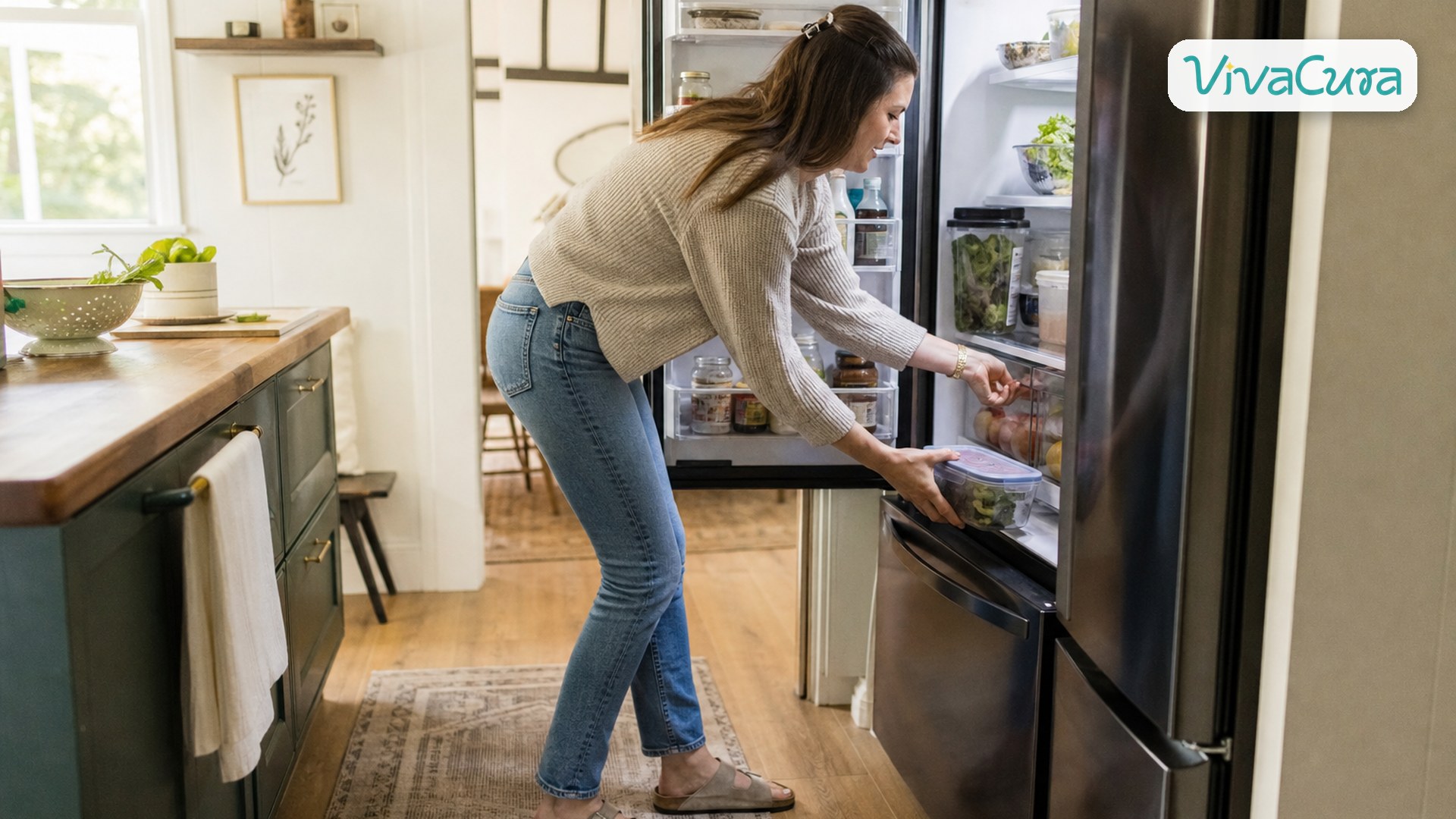
The most common cross-contamination scene is juice from raw meat dripping onto the food below. Store raw meat, poultry, and seafood on the lowest shelf, and keep cooked or ready-to-eat foods higher up. This “raw low, cooked high” rule echoes the World Health Organization (WHO) principle of keeping raw and cooked foods separate.
Ms. Lin, who lives in Taipei, used to leave convenience-store chicken on a middle shelf. One night the juices seeped onto the braised snacks below, and her family spent the night with upset stomachs. After she moved the raw chicken to the bottom shelf in a sealed box, the problem stopped.
Sealing and Portioning to Block Drips and Odors
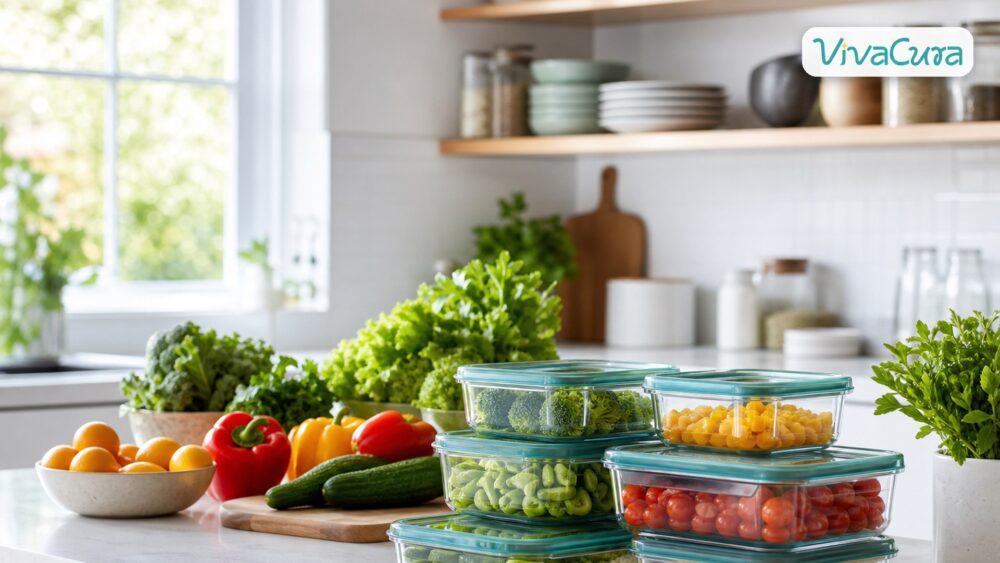
Store fresh ingredients in lidded containers or sealed bags so juices and odors cannot spread between shelves. Divide leftovers into small portions; they cool faster, and you reheat only what you need. Label each container with a date so “first in, first out” becomes easy to follow.
The Leftover Timeline: 2 Hours and 3 to 4 Days
The USDA advises refrigerating cooked or fresh perishables within 2 hours; if the room is warmer than 32°C, shorten that to 1 hour. Eat refrigerated leftovers within 3 to 4 days, and discard anything older. When reheating in a rice cooker or microwave, bring the food to an internal temperature of at least 74°C.
Don’t Overpack: Give Cold Air Room to Move
A fuller fridge is not a more efficient one. Overpacking blocks cold-air circulation, so some corners never reach a safe temperature. Leave space, clear out expired items regularly, and wipe down shelves and drawers to keep the whole fridge steadily cold.
Closing
Fridge hygiene is not about one big clean-out; it is about small daily habits. Starting today, add a thermometer and move raw foods to the bottom shelf, and you will see how simple peace of mind can be. For a fuller daily wellness routine, explore the Viva Health Guide series and tuck good health into everyday life.
Read more: Preventing Chronic Inflammation: Ten Antioxidant Superfoods (D4-004)
Sources: USDA FSIS “Danger Zone (40°F–140°F)”, “Leftovers and Food Safety”, “Refrigeration & Food Safety”; WHO “Five Keys to Safer Food”.